 CoolMyMind
Evidence-based tools for a calmer, clearer mind
Practical, empathetic, and scientifically grounded tools for anxiety, depression, self-esteem, and personal growth — inspired by CBT, ACT, and mindfulness.
Educational content only — not a substitute for professional diagnosis or treatment.Read our full disclaimer.
Featured Articles
View all →Featured Books
View all →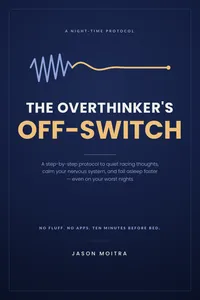
The Overthinker's Off-Switch
Jason Moitra
A step-by-step, no-fluff protocol for quieting a racing mind at night — built around the idea that there are only three kinds of 2am thoughts, and each one needs a different response. Includes a 10-minute wind-down routine, a plan for the moment you wake up already spiraling, and a 30-day path to a calmer nightly routine.
Who it's for
Anyone who regularly lies awake overthinking — replaying conversations, worrying about tomorrow, or unable to switch their brain off at night. It's a practical tool, not a replacement for therapy — and it says so honestly if what you're dealing with needs more support than a book can offer.
ADHD 2.0
Edward M. Hallowell and John J. Ratey
The same authors' modern follow-up, updated with newer neuroscience and considerably more practical than their earlier work. Notable for reframing ADHD around brain network dynamics rather than pure deficit, and for treating exercise, sleep, and environment as first-line strategies rather than afterthoughts.
Who it's for
Anyone who's read the basics of adult ADHD and wants current science plus concrete daily strategies, rather than another introduction.
Driven to Distraction
Edward M. Hallowell and John J. Ratey
The book that brought adult ADHD into mainstream awareness, written by two psychiatrists who both have ADHD themselves. Built largely around case stories rather than clinical description, it's the title most often credited with helping adults recognize themselves for the first time.
Who it's for
Adults who suspect they have ADHD, or were recently diagnosed and want to understand what it actually is beyond the stereotype.
Popular Topics
Practical guidance organized by what you're working through right now.
ADHD
Executive function, focus, and follow-through for an ADHD brain.
Anxiety
Understand anxious thinking and build practical calm.
CBT
Cognitive behavioral techniques you can use today.
Depression
Evidence-based tools for low mood and motivation.
Emotional Regulation
Understand and work with intense emotions skillfully.
Habits
The behavioral science of change that actually sticks.
Mindfulness
Present-moment awareness, backed by research.
Overthinking
Quiet rumination and mental loops with proven methods.
Personal Growth
Values, meaning, and long-term psychological flexibility.
Productivity
Focus and follow-through without burning out.
Relationships
Communication, boundaries, and connection.
Self-Esteem
Build a fairer, steadier relationship with yourself.
Stress
Regulate your nervous system and prevent burnout.
Trauma
Understanding trauma and paths toward healing.
Our Mission
CoolMyMind translates cognitive behavioral therapy (CBT), acceptance and commitment therapy (ACT), mindfulness, and behavioral psychology into practical steps anyone can use — without sensational claims, and without pretending self-help can replace professional care when it's needed.
Read our full philosophyWhat readers say
Real feedback from early readers.
“The worry-time technique sounds too simple to work, but it genuinely changed my nights. I finally sleep before 1am.”
“I like that everything is explained — not just 'do this' but why it works. Makes it easier to stick with.”
“Clear, calm, and never preachy. It feels like reading something a therapist would actually recommend.”
“I've read a lot of self-help fluff. This is the first site that actually explains the psychology instead of just telling me to think positive.”
“The behavioral activation article got me out of a really low patch. Small steps, but they actually worked.”
“Found this through a Google search at 2am during a panic spiral. The anxiety article talked me down better than anything else I'd tried.”
“As someone who's been in therapy for years, I appreciate that this doesn't oversimplify things or promise overnight fixes.”
“The attachment styles article explained a pattern in my relationships that I'd never been able to put into words before.”
“I recommended the burnout article to three coworkers this month alone. It's the clearest explanation I've seen anywhere.”
“Simple, well-written, and doesn't try to sell you a course every other paragraph. Refreshing.”
“The habit-stacking tips actually stuck for me this time, unlike every other habit article I've read.”
“I like that it tells you when to see an actual therapist instead of pretending an article can fix everything.”
“Reading the overthinking article felt like someone had been narrating my exact thought patterns for years.”
Share your feedback
We read every submission and approve genuine feedback before it appears here.
Get one practical idea a week
No spam — just useful, evidence-based tools straight to your inbox.